
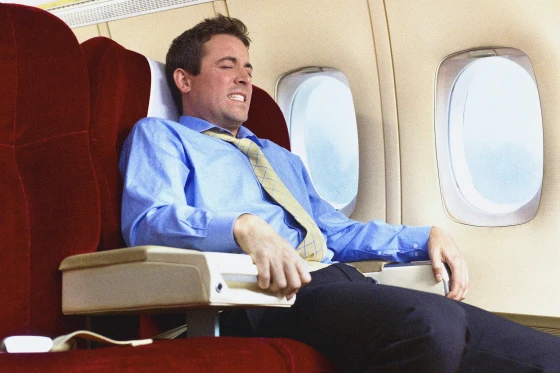
Flying for business meetings can be a double-edged sword. On one hand, it’s an exciting opportunity to grow your career and meet new people. On the other, the thought of getting on a plane can stir up feelings of unease or outright anxiety, whether it’s a fear of turbulence, crowded spaces, or the unknowns of flying.
If you’ve been struggling with flight anxiety, you’re not alone. Many business travelers, even frequent flyers, experience similar fears. The good news? There’s a lot you can do to ease your mind and get through your trips with more ease, and confidence.
This guide is here to offer you some guidance, compassionate advice, practical tips, and gentle encouragement to help you manage anxiety while traveling for work. From pre-flight preparations to in-flight strategies, here’s everything you need to know to make flying feel a little less daunting and stressful.
Understanding Flight Anxiety: Causes and Triggers
Before we can work through flight anxiety, it helps to understand where it comes from. Anxiety often stems from our brain’s need to feel safe, but flying presents a unique challenge—it’s an environment where we have very little control. Here are a few common triggers for flight anxiety:
- Fear of turbulence, crashes, or unfamiliar sounds and sensations -fear of danger
- Claustrophobia or fear of confined spaces – fear of being trapped
- Crowds and long lines in airports -fear of not controlling your environment
- Worries about missed flights, delays, or cancellations -fear of safety and not being in control
If any of these resonate with you, remember that your concerns are valid. Anxiety is your brain’s way of trying to protect you. It’s grouping all your emotions together and preparing you for fight or flight. Your goal isn’t to eliminate anxiety completely but to find tools that allow you to work with it and regain a sense of calm.You want to learn to channel it in a productive way that works for you.
Pre-Flight Preparation: Planning and Packing Tips
A proactive approach can go a long way in reducing travel-related anxiety. Here are some planning and packing steps that can help instill a sense of control before you even step foot in the airport, since anxiety mostly stems from feeling out of control.
Organize Your Schedule
Having a clear itinerary can significantly reduce stress. Know your flight times, the address of your hotel, and the location of your meeting. Build in extra time to account for delays or unexpected challenges—it’s better to be early than to feel rushed.
Pack Comfort Essentials
- Anxiety relievers: Noise-canceling headphones, calming playlists, or a favorite book can create a personal oasis of calm.
- Snacks & hydration: Staying hydrated and nourished can help regulate your body and keep anxiety at bay.
- Comfort items: A cozy scarf, essential oils with soothing scents like lavender, or a stress ball can make a world of difference.
Practice Visualization
Spend a few moments imagining yourself successfully navigating your trip. Picture yourself boarding calmly, enjoying your flight, and arriving at your destination ready for your meeting. Allow yourself to feel the confidence of navigating your trip with ease and handling details in a healthy way. This mental preparation will reduce feelings of uncertainty. Your brain will remember how this felt on the day of the trip and will lean on this as a default way of thinking and feeling, which will definitely help you create a successful experience.
At the Airport: Navigating Security and Waiting Areas
Airports can be chaotic, which is especially challenging if you’re prone to anxiety. The goal here is to keep things as smooth and stress-free as possible.
Arrive Early
Getting to the airport early ensures you have time to handle long lines or unforeseen delays without panic. Use this extra time to familiarize yourself with your surroundings and settle in.
Use Relaxation Techniques
Find a quiet corner or a calm spot in the lounge where you can practice some simple breathing exercises. For example, try the 4-7-8 method: breathe in for 4 seconds, hold for 7 seconds, and exhale for 8 seconds. This will calm your nervous system and help you feel more in command.
Distract Yourself
If the waiting time sets your mind racing, distract yourself with activities that engage your focus—a podcast, journaling, or even scrolling through your favorite app can help. Reading or listening to an audiobook could be a great distraction, as well.
In-Flight Techniques: Relaxation and Mindfulness Exercises
Once you’re on the plane, it’s important to find ways to stay calm and grounded throughout the flight.
Slow, Intentional Breathing
One of the most accessible tools for managing anxiety mid-flight is your breath. Try box breathing: inhale for 4 seconds, hold for 4 seconds, exhale for 4 seconds, and hold again for 4 seconds. Repeat this cycle to bring your heart rate down and settle your nervous system.
Distract with Entertainment
Bring your favorite form of entertainment—whether it’s a comfort movie, a podcast, or an audiobook. Immersing yourself in something familiar can redirect your focus away from any turbulence or apprehensive thoughts. It also will help you associate pleasant feelings with something that may not be so pleasant at the moment. This helps retrain your brain with a new positive association.
Practice Mindfulness
Mindfulness techniques, such as body scans or grounding exercises, can be powerful for staying present. For example, focus on five things you can see around you, four things you can touch, three things you can hear, two things you can smell, and one thing you can taste. This simple exercise helps shift your focus to the here and now. When you are present you are more at peace.
Post-Flight Strategies: Reflecting and Recharging
When the flight is over, take a moment to acknowledge your accomplishment. Celebrate the fact that you faced an anxiety-provoking situation and made it through. Here’s how to recover and recharge.
Reflect on the Experience
Think about what worked well during the flight. Did a particular strategy help you feel calmer? If so, consider keeping it in your toolkit for future trips.
Treat Yourself
After your meeting or event, reward yourself! Whether it’s indulging in a delicious meal or exploring a new area of the city, give yourself something positive to look forward to. Make sure to say positive things to yourself as well – congratulating yourself on a job well done.
Stay Rested
Flying and business meetings can be exhausting, especially when combined with anxiety. Prioritize getting sufficient rest after your trip to help your body and mind recover.
When to Seek Professional Help
It’s important to know that if flight anxiety feels overwhelming or interferes with your ability to travel for work, professional help is a worthwhile step. Therapists trained in anxiety management can teach you techniques like cognitive-behavioral therapy (CBT.). You don’t have to tackle this alone—help is available. You can also work with a Business coach who can support you in translating the skills you use in business to be successful in overcoming flight anxiety, as well.
Find Calm Above the Clouds
Managing flight anxiety as a business traveler takes practice, but with the right tools and preparation, it can become a manageable and even empowering experience.
Remember, each time you face your anxiety, you grow stronger—taking command and showing resilience in the face of challenges. This flight might have felt tough, but the next one could feel just a little easier.
If you’re looking for more tips and techniques, reach out. Most of all, trust yourself—you’ve got this.